How to Identify High-Quality Cannabis Oil: A Buyer's Guide
@highqualitycannabisoilview
What Makes Cannabis Oil Worth Buying?
If you have spent any time browsing cannabis concentrates online or in a dispensary, you know the range is wide. Some oils look dark and syrupy, others are pale and translucent. Some smell like fresh pine, others like burnt rubber. The difference often comes down to one thing: the quality of the starting material and the care taken during extraction. For anyone looking to buy high-quality cannabis oil, understanding what goes into a clean, potent product is essential. This is not about brand loyalty or fancy packaging. It is about knowing what you are inhaling or ingesting, and whether it will give you the experience you want.
Kush Station, an online store that specializes in lab-tested honey oil cannabis concentrates, has built its reputation on transparency and consistency. Their approach reflects a broader shift in the market: consumers are no longer satisfied with mystery oil. They want batch numbers, terpene profiles, and proof of purity. That shift is good for everyone, because it raises the bar for what counts as a premium product.
Starting Material Matters More Than You Think
The best oil in the world cannot fix bad plant material. If the cannabis was grown with pesticides, harvested too early, or dried poorly, those flaws carry through into the extract. High-quality cannabis oil starts with flower that was grown for the purpose of extraction, not for smoking. That often means plants with high trichome density, rich terpene expression, and careful handling from cut to freeze.
When you see a product labeled as live resin, that tells you something. Live resin is made from freshly harvested plants that were frozen immediately, rather than dried or cured. This process preserves more of the volatile terpenes that give each strain its distinctive aroma and effect. The result is an oil that tastes closer to the living plant, with a fuller spectrum of compounds. That is one reason why many experienced users seek out live resin over older extraction methods.
Extraction Method and Solvent Use
Not all extraction methods are equal. Some use chemical solvents like butane or ethanol, which can leave residues if not purged properly. Others rely on heat and pressure, or carbon dioxide (CO2), to separate the oils from the plant material. CO2 extraction is known for producing a clean, full-spectrum oil because it operates at low temperatures and does not introduce harsh chemicals. Solventless methods, such as rosin pressing, use only heat and pressure, which means the final product contains nothing but the plant's own resins.
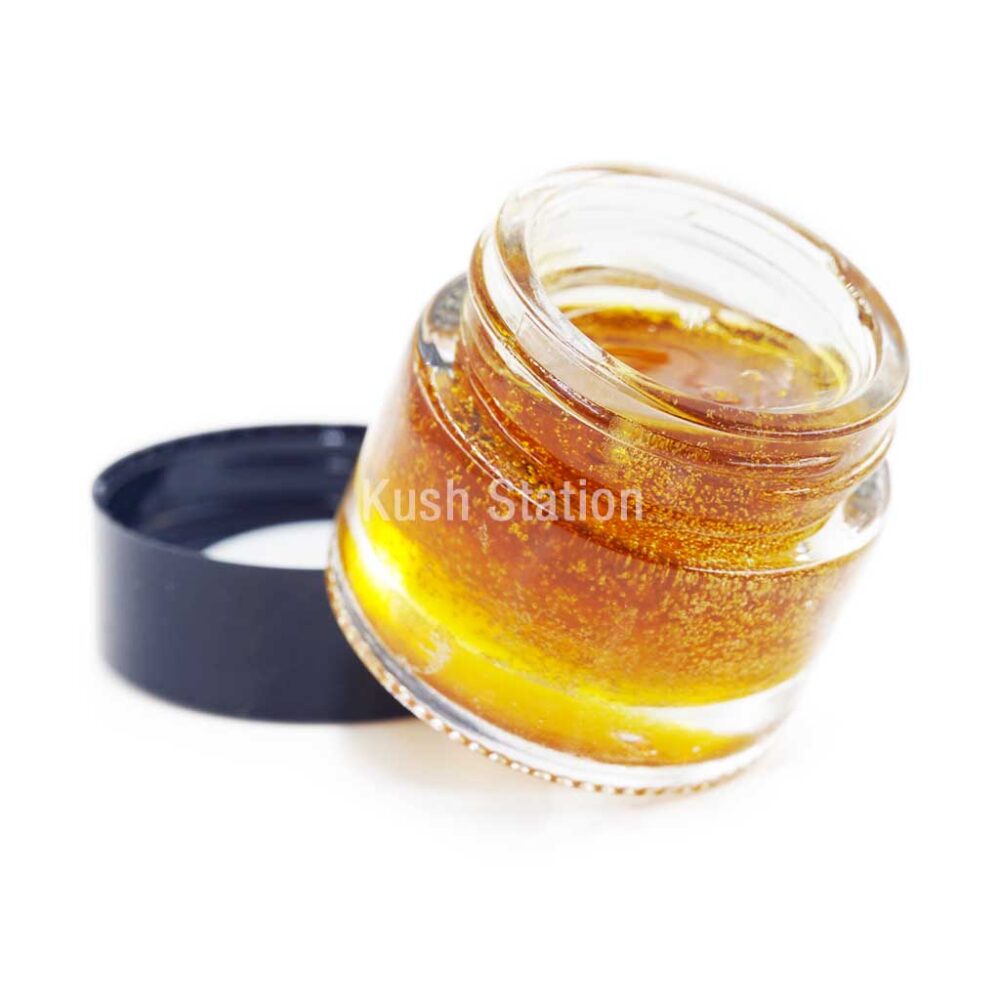
For someone seeking high-quality cannabis oil, solventless or CO2-extracted products are often the safest bet. They tend to have a cleaner flavor and a more predictable effect. That said, they can be more expensive because the yields are lower and the process is more labor-intensive. The trade-off is worth it for many users, especially those who are sensitive to residual solvents or who want the purest expression of a strain.
Lab Testing and Transparency
Third-party testing is the single most reliable indicator of quality. A reputable seller will provide a certificate of analysis (COA) for every batch, showing the percentages of THC, CBD, and other cannabinoids, as well as a terpene profile and a screen for contaminants like pesticides, heavy metals, and residual solvents. Without that data, you are essentially guessing at what is in the bottle.
Kush Station publishes batch analysis results for their honey oil products, which means you can see exactly how much THC is present, what the CBD content is, and which terpenes dominate the profile. That level of transparency is rare in the cannabis world, where many brands rely on vague labels like "high potency" or "full flavor." When a company is willing to show you the numbers, it signals confidence in their product and respect for the customer.
Appearance, Aroma, and Consistency
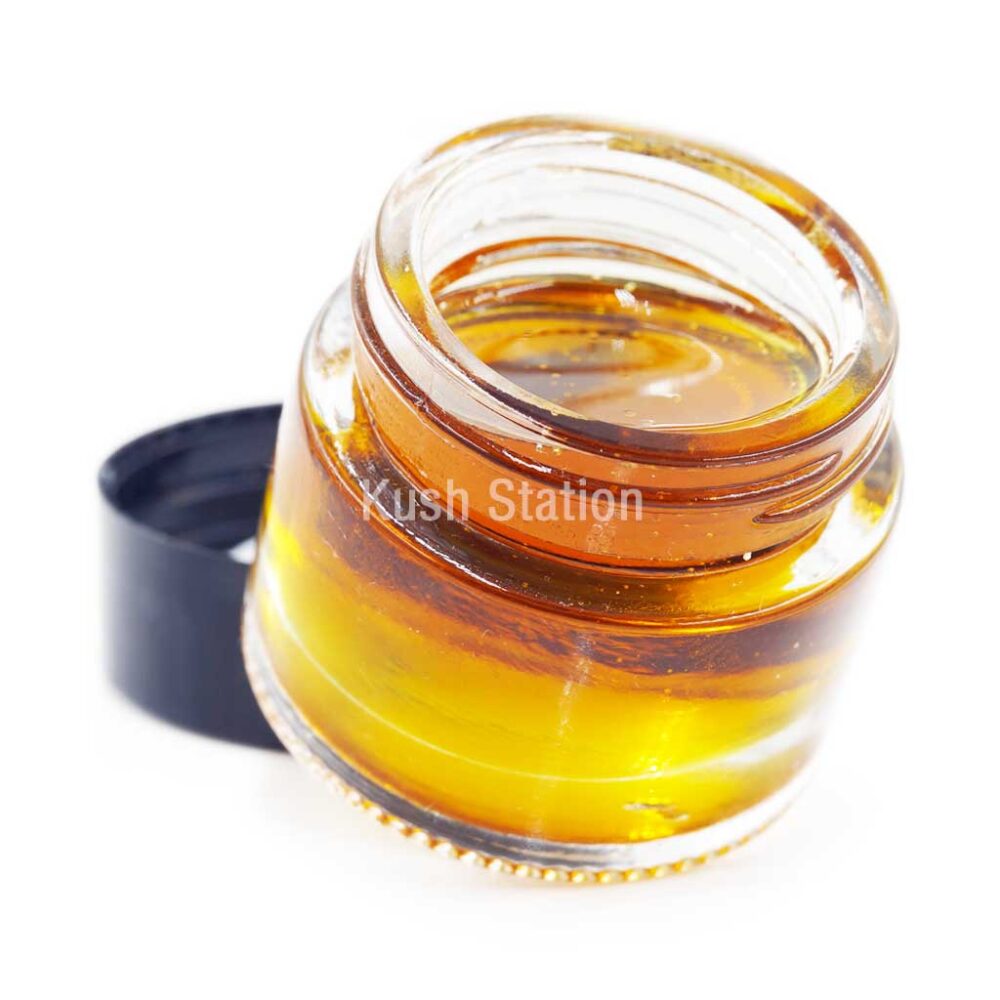
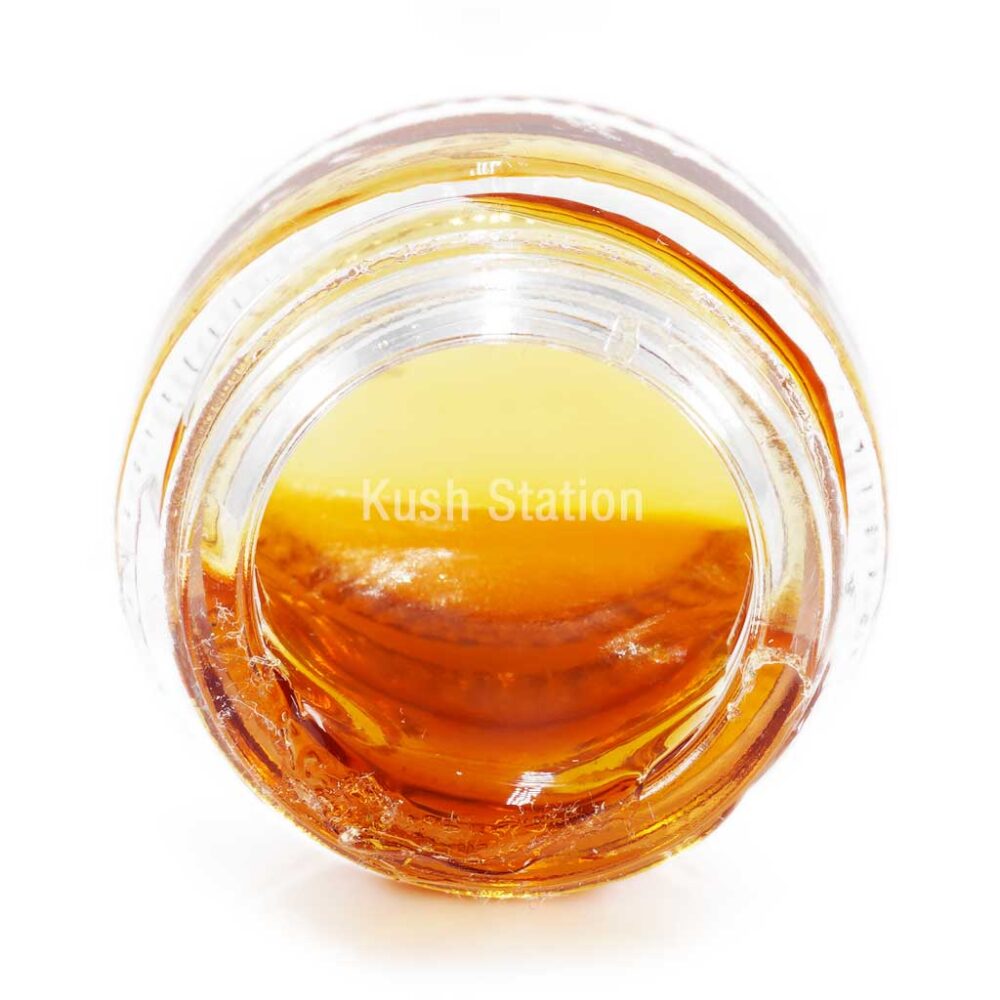
Even without a lab report, you can learn a lot by looking at the oil. High-quality cannabis oil, especially honey oil, should have a golden to amber color, depending on the strain and extraction method. It should be translucent, not cloudy or full of sediment. If the oil is dark brown or black, that often indicates old plant material, high heat during extraction, or poor filtration. The aroma should reflect the strain: piney for a Sativa, earthy for an Indica, sweet or fruity for a Hybrid. If it smells like burnt plastic or stale hay, something went wrong.
Consistency matters too. Some oils are runny like syrup, others are thick and waxy. That is partly determined by the ratio of THC to CBD and the presence of certain terpenes. A good oil will be stable at room temperature, not separating into layers or crystallizing unevenly. If you see crystals forming, that can actually be a sign of high purity, as THC can crystallize when it is very concentrated. But if the oil is grainy or gritty, that suggests incomplete filtration or contamination.
Potency and the Entourage Effect
THC percentage gets a lot of attention, but it is not the only factor that determines how an oil will affect you. The entourage effect describes how the various cannabinoids, terpenes, and other compounds work together to produce a unique experience. A high-THC oil with no CBD and few terpenes can feel one-dimensional, while a full-spectrum oil with moderate THC but a rich terpene profile can be more nuanced and satisfying.
That is why many connoisseurs prefer honey oil from Indica strains for relaxation and sleep, while Sativa-dominant oils are chosen for focus and energy. Hybrid oils offer a balance, but the specific ratios matter. A good dosage guide will recommend starting with a small amount, especially if you are new to concentrates. A rice-grain-sized dab on a dab rig or a vape pen is enough for most people. You can always add more, but you cannot take it back once it is vaporized.
How to Use It: Dab Rigs, Vape Pens, and More
There are several ways to consume cannabis oil, and the method affects both the flavor and the intensity. A dab rig, which is essentially a water pipe with a heated nail, delivers the most direct and potent vapor. It preserves the full aroma and allows for precise temperature control, which matters because different terpenes vaporize at different temperatures. Too hot, and you lose the subtle notes; too cool, and you might not get full vaporization.
For a more portable option, a vape pen designed for concentrates works well. These pens heat the oil to a consistent temperature and are easy to use on the go. Some pens are adjustable, letting you choose between a cooler, flavor-focused hit or a warmer, more intense one. Whichever method you choose, clean your device regularly to avoid buildup of old residue, which can ruin the taste of fresh oil.
Storage and Shelf Life
Cannabis oil is sensitive to light, heat, and air. Store it in a cool, dark place in an airtight container. Glass is better than plastic because plastic can leach compounds over time. If stored properly, high-quality cannabis oil can retain its potency and flavor for several months, though some terpenes will degrade slowly. If you notice the color darkening or the aroma fading, it is time to use it up. Freezing is not recommended for most oils, as it can cause separation and affect the texture.
Price and Value
Good oil is not cheap. The cost reflects the quality of the input material, the extraction method, and the testing done. A gram of premium honey oil can cost two to three times what you would pay for a lower-grade product. But the difference in experience is real. A clean, well-made oil will taste better, hit smoother, and give you a more predictable effect. You also use less of it because the potency is higher, so a gram can last longer than you might expect.
That said, price alone is not a guarantee. Some brands charge a premium for marketing rather than quality. That is where third-party testing and transparent labeling become your best tools. If a brand cannot show you a batch analysis, or if the numbers look inconsistent across batches, it is worth questioning whether you are getting value for your money.
Final Thoughts on Choosing Concentrates
The market for cannabis concentrates has matured quickly. What was once a niche corner of the industry is now a major category, with products ranging from simple pressed rosin to complex solventless extracts. For the buyer, that variety is both a blessing and a challenge. The key is to focus on the fundamentals: clean starting material, careful extraction, and verifiable testing. When those three elements are in place, you are far more likely to end up with a product that delivers on its promise.
Whether you are shopping at Kush Station or another reputable retailer, take the time to read the lab results, ask questions about the source material, and start with small amounts until you know how a particular oil affects you. High-quality cannabis oil is worth seeking out, not because it is trendy, but because it provides a cleaner, more enjoyable, and more predictable experience. That is what makes the difference between a product that sits in your drawer and one you reach for every day.